Why Up-to-Date Electrical Installation Reports Matter for Commercial Properties
What a Commercial EICR Is and Why It Exists
An electrical installation condition report, or EICR, is a formal assessment of the fixed wiring and electrical systems in a building. For commercial premises such as offices, shops, and workplaces, this document is not just a piece of paper. It represents a thorough check of the safety and condition of everything from the main distribution board to individual circuits and outlets. The report identifies any deterioration, damage, or non-compliance with current regulations, and it provides a clear picture of what needs attention.
The purpose of a commercial EICR is straightforward: to confirm that the electrical installation is safe for continued use. Over time, wiring degrades, connections loosen, and protective devices may become less effective. Without regular inspection, these issues can go unnoticed until they cause a fault, a fire, or an electric shock. The report also checks that the installation meets the latest edition of the wiring regulations, BS 7671, which is updated periodically to reflect better safety practices and new technology.
How the Inspection Process Works
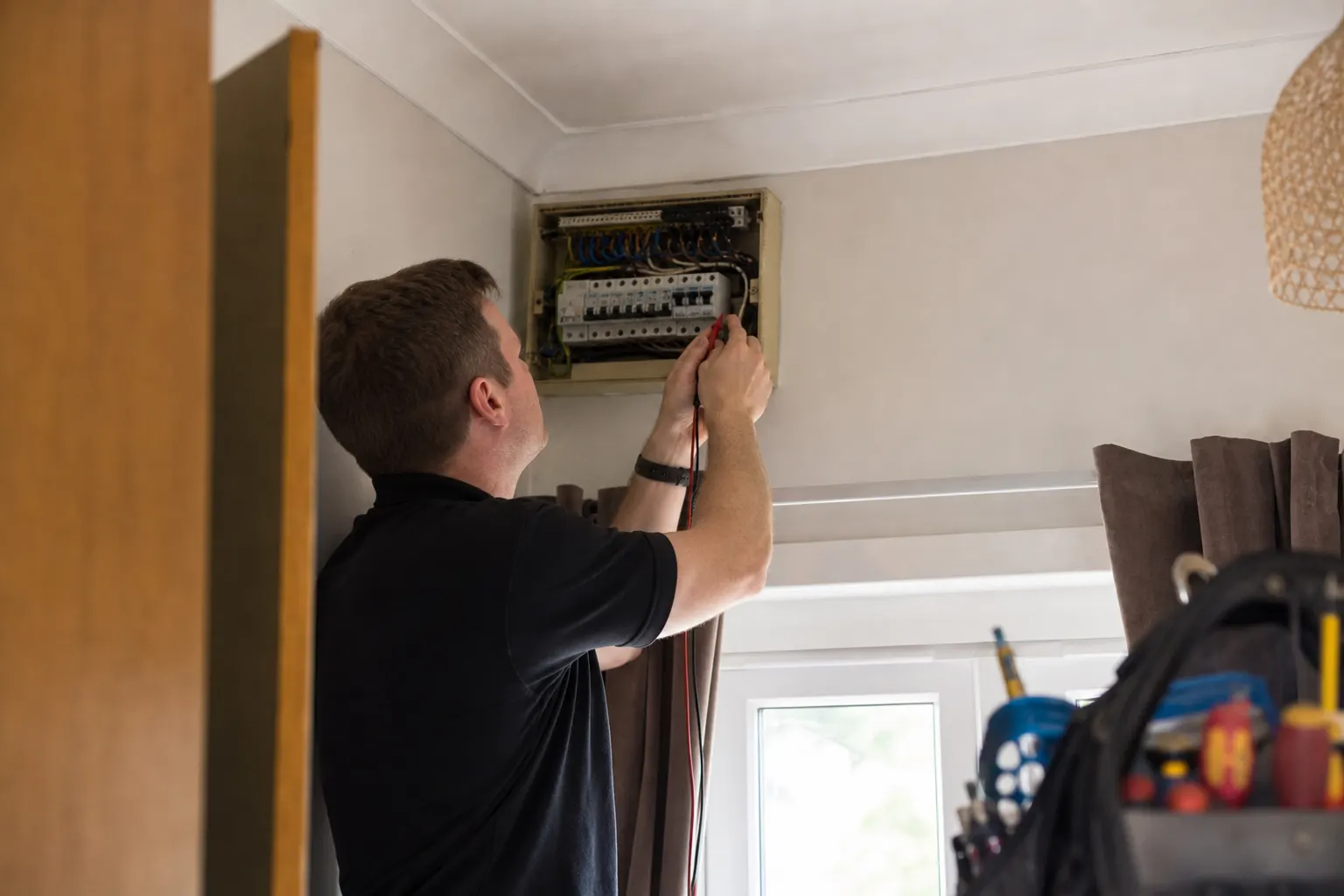
A qualified electrician carries out the inspection and testing. They start by visually examining the installation, looking for signs of overheating, damage, or DIY alterations that might be unsafe. Then they perform a series of tests on the circuits. These tests include checking the continuity of conductors, verifying the effectiveness of earthing and bonding, and testing the operation of protective devices like fuses and circuit breakers. The entire process can take several hours for a small commercial unit, and longer for larger or more complex premises.
During the inspection, the electrician records every observation. They note the condition of the distribution board, the routing of cables, and the accessibility of emergency isolation switches. They also check that circuits are correctly labelled and that the installation has adequate emergency access for maintenance. Any findings are categorised using a standard coding system: C1 means danger is present and immediate remedial action is required; C2 indicates a potentially dangerous condition that needs urgent attention; C3 means improvement is recommended but not immediately critical. There is also an FI code for further investigation where the inspector cannot determine the extent of a problem without more invasive checks.
Once the inspection is complete, the electrician compiles the findings into the formal EICR document. This report lists every circuit, its condition, and any observations or recommendations. It also includes an overall assessment of the installation: satisfactory or unsatisfactory. If any C1 or C2 issues are found, the installation is deemed unsatisfactory until those items are rectified.
What the Report Means for Business Owners and Managers
For anyone responsible for a commercial property, the EICR is a vital tool. It provides a baseline understanding of the electrical installation's condition. This helps with planning maintenance and budgeting for repairs. A report that shows everything in good order gives peace of mind. One that highlights problems allows for targeted action before those problems escalate.
Beyond safety, the report has practical implications for insurance and compliance. Many insurance policies require that commercial electrical installations are inspected at regular intervals, typically every five years or sooner depending on the type of premises. An up-to-date EICR demonstrates that you have fulfilled this duty of care. If a claim arises from an electrical fault, the insurance company will almost certainly ask to see the most recent report. Without one, or with an outdated one, the claim could be reduced or denied.
Legal responsibilities also come into play. Under the Electricity at Work Regulations 1989, employers and self-employed persons have a duty to ensure that electrical systems are maintained to prevent danger. A current EICR is one of the best ways to show that you have taken reasonable steps to comply. Health and safety inspectors may request to see it during a visit, and the absence of an up-to-date report can lead to enforcement action.
Keeping the report current also supports good property management. When leasing or selling commercial premises, prospective tenants and buyers often ask for the latest EICR. A clean, recent report can speed up negotiations and may even influence the terms of the deal. An outdated or missing report, on the other hand, can raise doubts and delay transactions.
Common Issues Uncovered During Inspections
Some problems show up time and again in commercial EICRs. One of the most frequent is inadequate earthing and bonding. This is a safety-critical issue that can turn a minor fault into a serious shock hazard. Another common finding is the presence of old or damaged consumer units, especially where plastic enclosures have cracked or where circuits are not clearly labelled. Overloaded distribution boards are another concern, particularly in buildings where equipment has been added over the years without upgrading the supply.
Circuit testing often reveals faults in the insulation of cables, which can indicate ageing or damage. In commercial kitchens and workshops, the environment itself can cause deterioration. Heat, moisture, and chemicals can degrade insulation faster than in a dry office environment. Emergency lighting and fire alarm systems may also be checked as part of the inspection, and these frequently show up as needing attention.
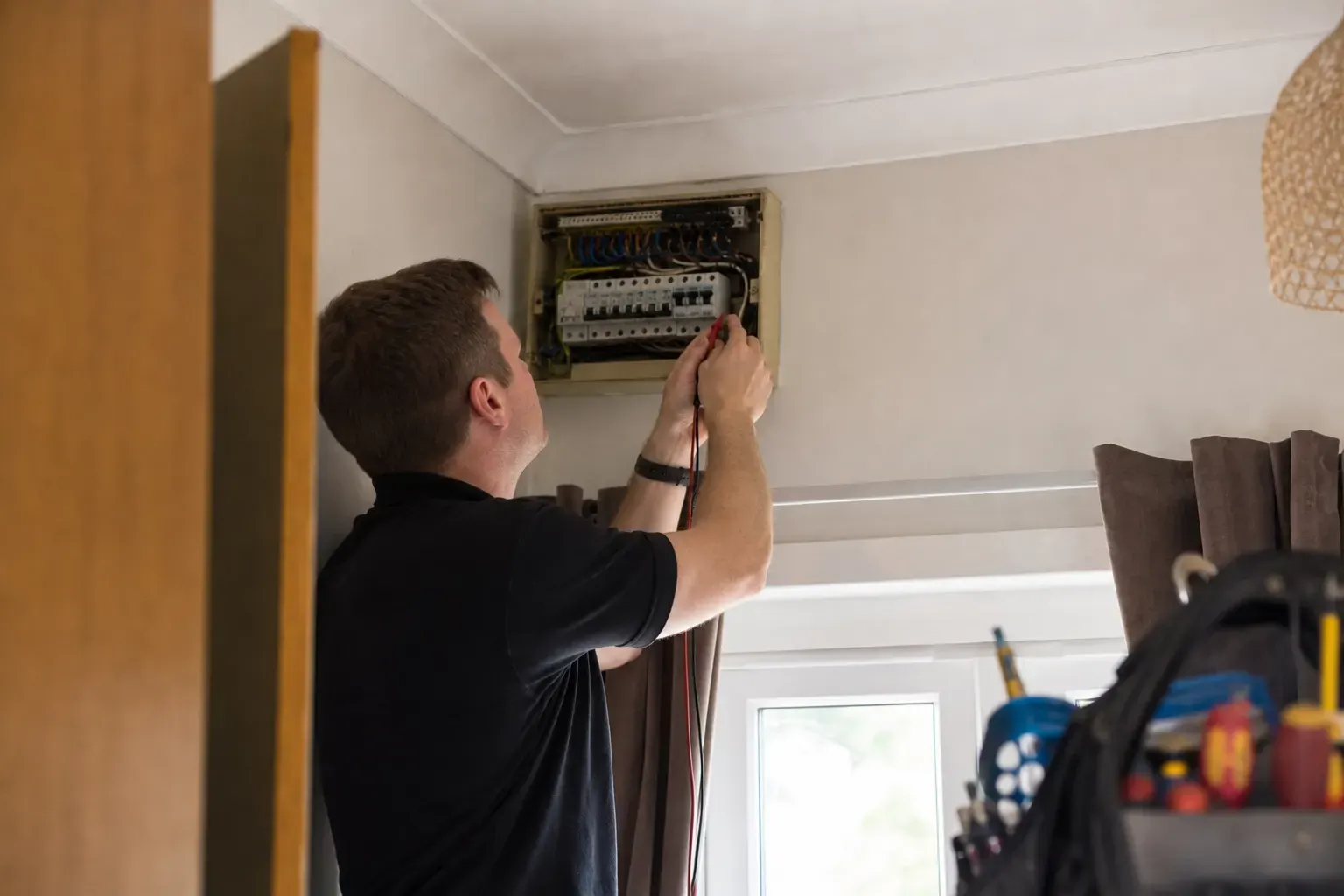
The value of a routine EICR is that it catches these issues early. A loose connection that would take years to cause a fire can be tightened during the inspection. A damaged cable that might have gone unnoticed can be replaced before it fails. This proactive approach saves money in the long run by preventing emergency repairs and downtime.
How Often Should a Commercial EICR Be Updated?
The standard recommendation for most commercial premises is an inspection every five years. However, the frequency depends on the type of use and the condition of the installation. For example, a shop with high customer footfall and frequent changes to displays may benefit from a shorter interval. An office with stable occupancy and low electrical demand might comfortably stay on a five-year cycle. The inspecting electrician will often advise on the appropriate period based on what they see.
Some situations call for an immediate new inspection. If the property has undergone significant refurbishment or a change of tenancy, a fresh report is wise. If there has been a fault, such as a circuit breaker tripping repeatedly or signs of overheating, it is sensible to commission an inspection rather than wait for the next scheduled one. The same applies if the building has been vacant for a long period, as unused installations can develop issues without anyone noticing.
Keeping the Report Alive
An EICR is not a one-and-done document. It should be reviewed regularly and acted upon. When the report recommends remedial work, that work should be carried out promptly and signed off by a qualified person. The report itself should be kept on file alongside any certificates for completed repairs. This creates a clear record of the installation's history and demonstrates ongoing compliance.
For businesses that manage multiple sites, a centralised system for tracking EICR dates and findings can be very useful. It helps avoid missing deadlines and ensures that each property gets the attention it needs. Some property managers schedule the inspection for a quiet period, such as a weekend or during a holiday closure, to minimise disruption to the business.
It is also worth remembering that a commercial EICR is only as good as the person carrying it out. The inspector should be competent, with up-to-date knowledge of the wiring regulations and experience with commercial installations. Using a registered electrician or a reputable testing company gives confidence that the report will be thorough and accurate.

Practical Steps to Stay Ahead
If you are responsible for a commercial property, there are a few straightforward actions to keep your electrical reports current. First, know the date of your last inspection and when the next one is due. Put a reminder in your calendar several months ahead so you have time to arrange a convenient slot. Second, keep a copy of the report accessible. You never know when an insurer or a tenant might ask for it. Third, act on any recommendations. Even a C3 item, if left unattended, can become a bigger problem over time.
Fourth, make sure that any electrical work carried out between inspections is properly certified. Minor works and new circuit installations should have their own certificates, which can be attached to the EICR file. This keeps the overall record complete. Fifth, if you are unsure about the condition of your installation or have not had an inspection for several years, arrange one as soon as possible. It is better to know now than to discover a problem during an emergency.
In short, keeping a commercial EICR up to date is a straightforward way to protect your property, your people, and your business. It turns an unseen network of cables and connections into a known quantity, one that you can manage with confidence. Regular inspections are not just about compliance; they are about running a responsible, well-managed operation where safety is never left to chance.
Ends · THEFUSEBOX